Ceramic 3D Printing — High-Precision Functional and Decorative Parts
Produce complex ceramic components for prototypes, end-use parts, art, and industrial applications.







What is Ceramic 3D Printing?
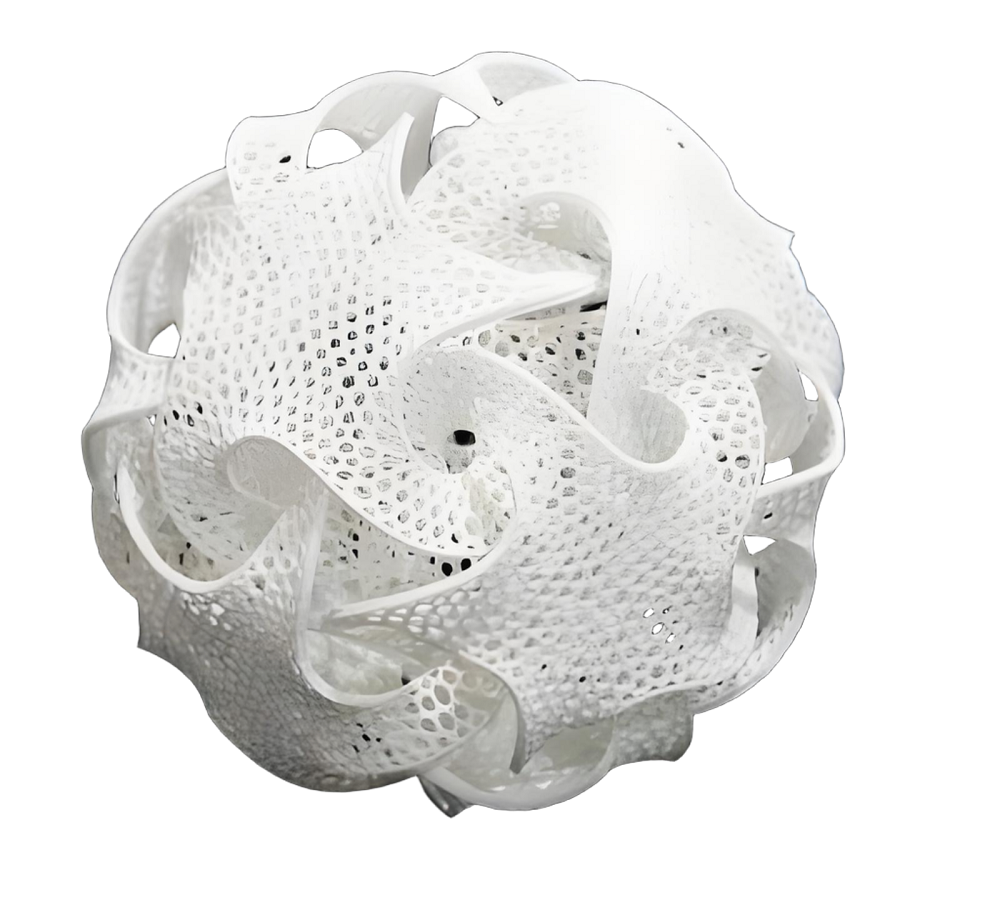
Ceramic 3D printing is an advanced manufacturing process that creates complex ceramic parts layer-by-layer using digital designs. By leveraging technologies like SLA/DLP, it enables the production of highly precise, functional ceramic components without the need for expensive tooling.
- Complex geometries impossible with traditional methods
- High precision and dimensional accuracy
- Functional parts with excellent thermal, chemical, and mechanical properties
- Customizable material properties (e.g., biocompatibility, insulation)

3D Printing Materials
We offer over 100+ 3D Printing materials and a wide range of surface finishes, and we also support customized materials for special projects
Surface Finishes For 3D Prints
Improve durability and performance with a selection of finishes
Anodizing
Polishing
Tumbling
Brushing + Electroplating
Smooth machining
Electroplating
Screen/logo Printing
Sandblasting/Shot Peening
Part marking/Laser engraving
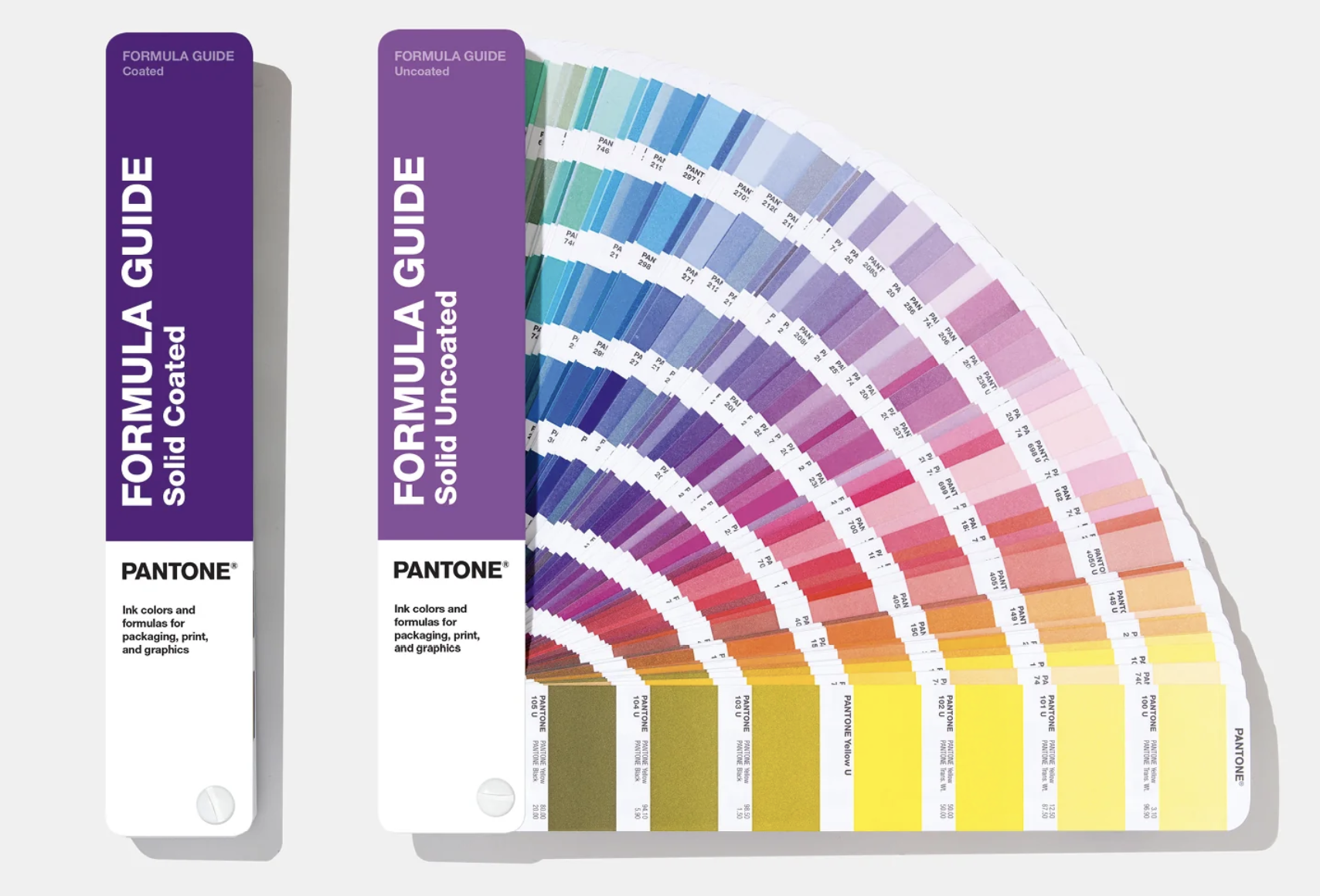
Color Matching/Painting
Heat treatment
Insert, Thread Tapping
Vaporfuse Smoothing
From Quote To Delivery
Everything You Need In One Easy-to-use Platform
Our AI-powered online quoting tool delivers prices within seconds and makes order tracking and management effortless. With built-in DFM capabilities, it helps identify design errors early, saving you time and ensuring smoother part production.
No Minimum Quantity | AI-Powered DFM Analysis |Online Order Management | Flexible Lead Time & Shipping Options
“IN3DTEC is a wholly trusted partner. They help us develop new products more efficiently and quickly. High-quality products and competitive prices are also why we recommend them to more people.” Luis Ford at Leica Medical Product Design Team
Excellent 4.9 out of 5 

In publishing and graphic design, Lorem ipsum is a placeholder text commonly used to demonstrate the visual form of a document or a typeface without relying on meaningful content. Lorem ipsum may be used as a placeholder before final copy is available
Jess Smith
We placed our order for the first time using their online CNC quotation system, and we were pleased with both the price and the quality of the products. Lora was very responsible and provided suggestions for revisions to my drawings. It is a highly professional team that deserves recommendation.
Smith
In publishing and graphic design, Lorem ipsum is a placeholder text commonly used to demonstrate the visual form of a document or a typeface without relying on meaningful content. Lorem ipsum may be used as a placeholder before final copy is available
Mark
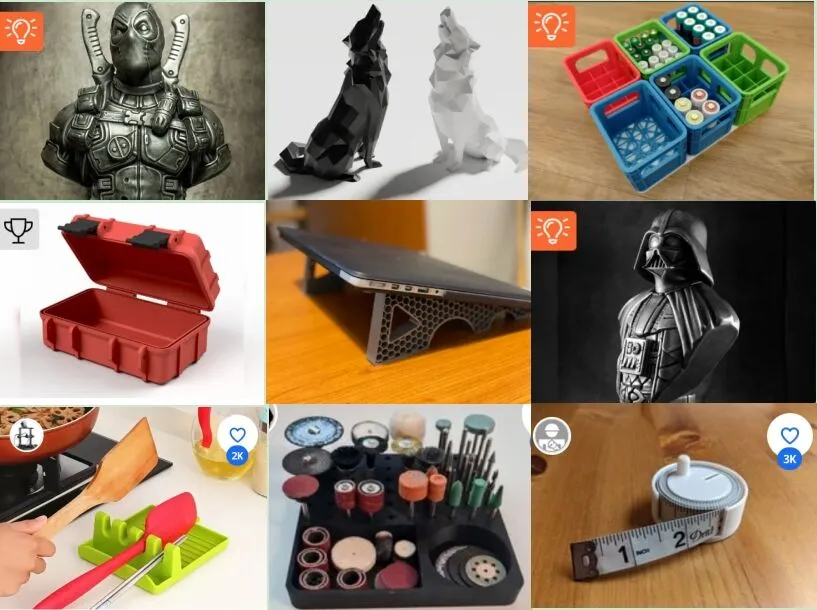
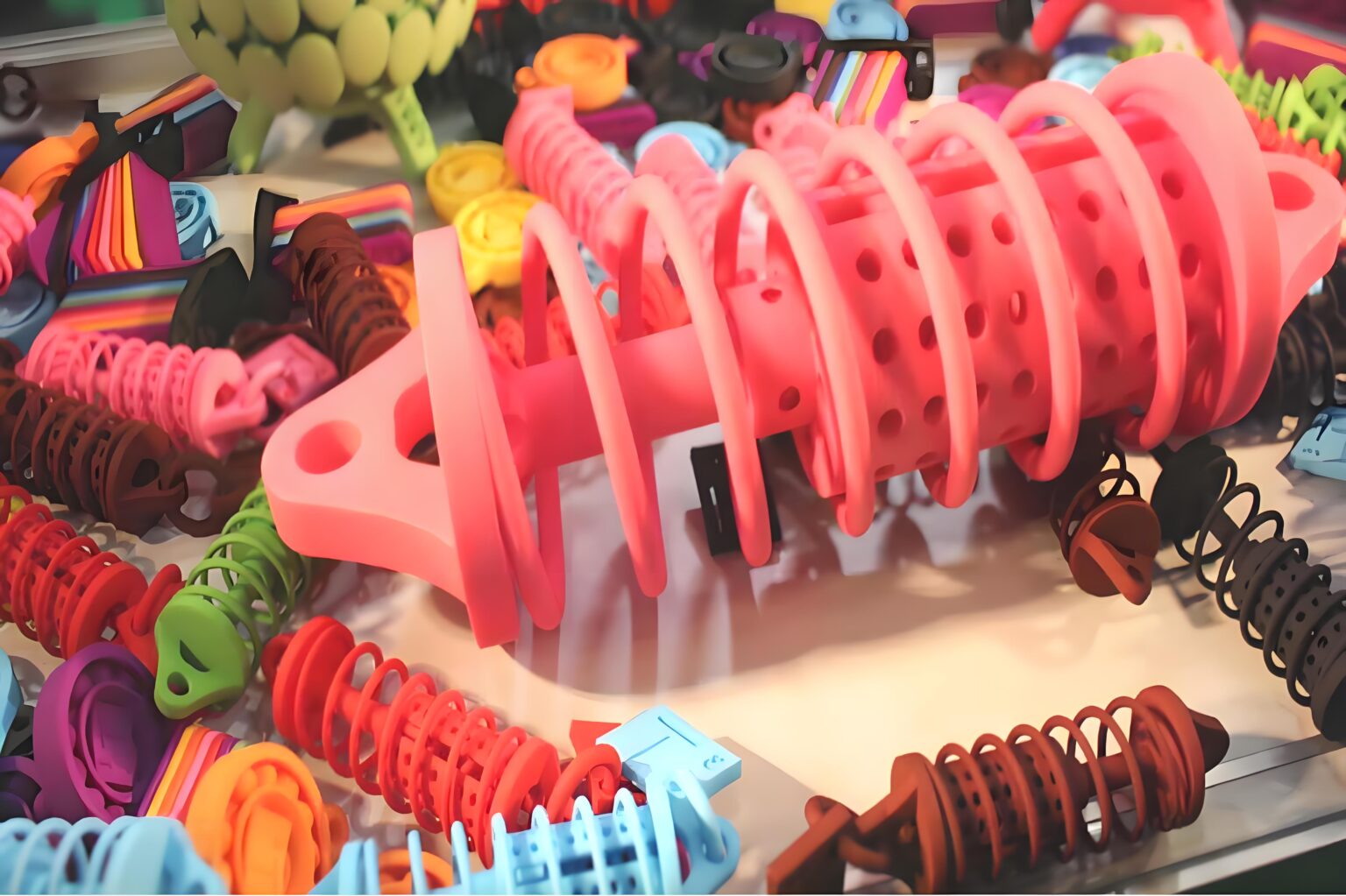
Gallery Of 3D Prints


How Ceramic 3D Printing Works (Step-by-Step)
Its process is similar to SLA 3D printing. First, support structures are drawn, followed by the object itself, using an ultraviolet laser aimed at a liquid ceramic photopolymer resin. After each layer is cured, the build platform lowers and a recoating bar spreads a fresh layer of resin. This repeats layer by layer until the part is complete.
Once printing is finished, the part is removed from the platform and cleaned in a lab using solvents to eliminate any remaining resin. Support structures are then manually removed, and the part undergoes Professional Oven curing for further sintering. Finally, it is ready for any customized surface finishing.
Download The 3D Printing Guide
Discover proven design rules that help engineers and creators improve performance, save costs, and ensure consistent success in 3D printing projects.
How to Work With

Simply upload your CAD files.

Get real-time pricing and DFM insights within seconds. Or ask for manual design help.

Once your order is placed, we’ll begin production right away, and you can track and manage it anytime from your dashboard.

Partnering with FedEx, DHL, and UPS, we deliver your parts fast and on time, worldwide.
Put your Parts into Production Now
Q & A
A: A: 300x300x250mm
A: A: 0.5mm
A: A: Nope
A: A: Accuracy: ±0.15% (min ±0.1 mm)
A: Yes, both tinted and fully transparent finishes are available, with painting or polishing if needed.
A: Polyurethane resins simulating ABS, PP, PC, PMMA, Rubber (shore A 30–95), and transparent materials.


