Sand 3D Printing & Metal Casting — Fast, Flexible, and Scalable
From rapid prototyping to industrial production, create complex molds and cast high-quality metal parts with precision.
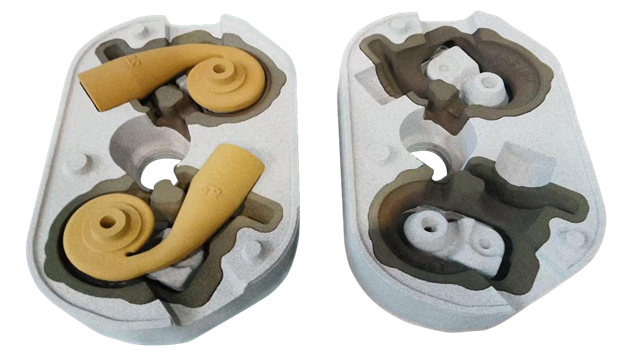







What is Sand 3D Printing?
Sand 3D printing uses binder jetting technology to create complex molds and cores directly from CAD data. Unlike traditional tooling, it eliminates patterns, reduces lead time, and allows intricate internal geometries. These printed molds are then used for metal casting in aluminum, steel, iron, or other alloys.
- Complex geometries without tooling
- Cost-effective for low to medium volume production
- Fast lead times (days instead of weeks)
- Compatible with a wide range of metals
- Scalable for prototyping and mass production

3D Printing Materials
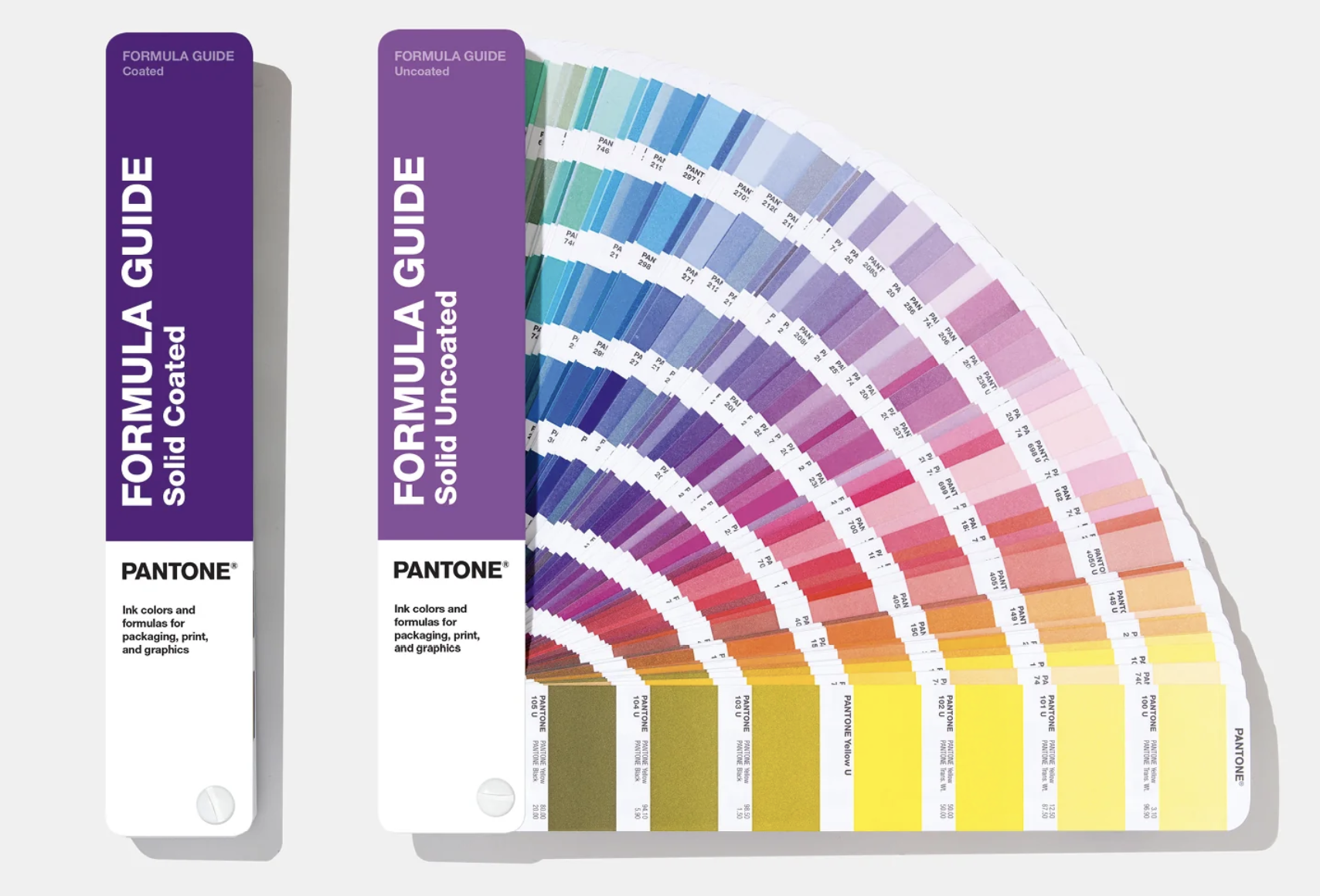
We offer over 100+ 3D Printing materials and a wide range of surface finishes, and we also support customized materials for special projects
Surface Finishes For 3D Prints
Improve durability and performance with a selection of finishes
Anodizing
Polishing
Tumbling
Brushing + Electroplating
Smooth machining
Electroplating
Screen/logo Printing
Sandblasting/Shot Peening
Part marking/Laser engraving
Color Matching/Painting
Heat treatment
Insert, Thread Tapping
Vaporfuse Smoothing
Why IN3DTEC For Your 3D Printing
From idea to production, we help you get there faster.
300+ Industrial Printers
– EOS, 3DPTEK, Stratasys, HP, Farsoon, BLT & more.
All Major Technologies
– FDM, SLA, SLS, MJF, SLM, PolyJet, MBJ, Ceramic, Sand Print & Metal Casting
Broad Material Options
– 100+ Plastics, metals, composites, and custom materials.
Fast Turnaround
– Speed without compromising quality.
Expert Support
– Design optimization & engineering guidance.
Strict Quality Control
– Certified processes, reliable results.
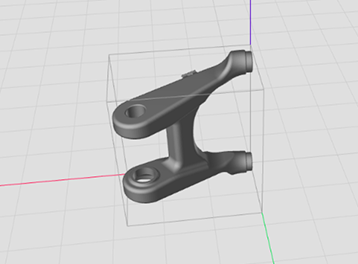

Walls are to thin, minimum recommended thickness value is 1.0
Show thin walls
From Quote To Delivery
Everything You Need In One Easy-to-use Platform
Our AI-powered online quoting tool delivers prices within seconds and makes order tracking and management effortless. With built-in DFM capabilities, it helps identify design errors early, saving you time and ensuring smoother part production.
No Minimum Quantity | AI-Powered DFM Analysis |Online Order Management | Flexible Lead Time & Shipping Options
“IN3DTEC is a wholly trusted partner. They help us develop new products more efficiently and quickly. High-quality products and competitive prices are also why we recommend them to more people.” Luis Ford at Leica Medical Product Design Team
Excellent 4.9 out of 5 

We placed our order for the first time using their online CNC quotation system, and we were pleased with both the price and the quality of the products. Lora was very responsible and provided suggestions for revisions to my drawings. It is a highly professional team that deserves recommendation.
Smith
In publishing and graphic design, Lorem ipsum is a placeholder text commonly used to demonstrate the visual form of a document or a typeface without relying on meaningful content. Lorem ipsum may be used as a placeholder before final copy is available
Mark
In publishing and graphic design, Lorem ipsum is a placeholder text commonly used to demonstrate the visual form of a document or a typeface without relying on meaningful content. Lorem ipsum may be used as a placeholder before final copy is available
Jess Smith
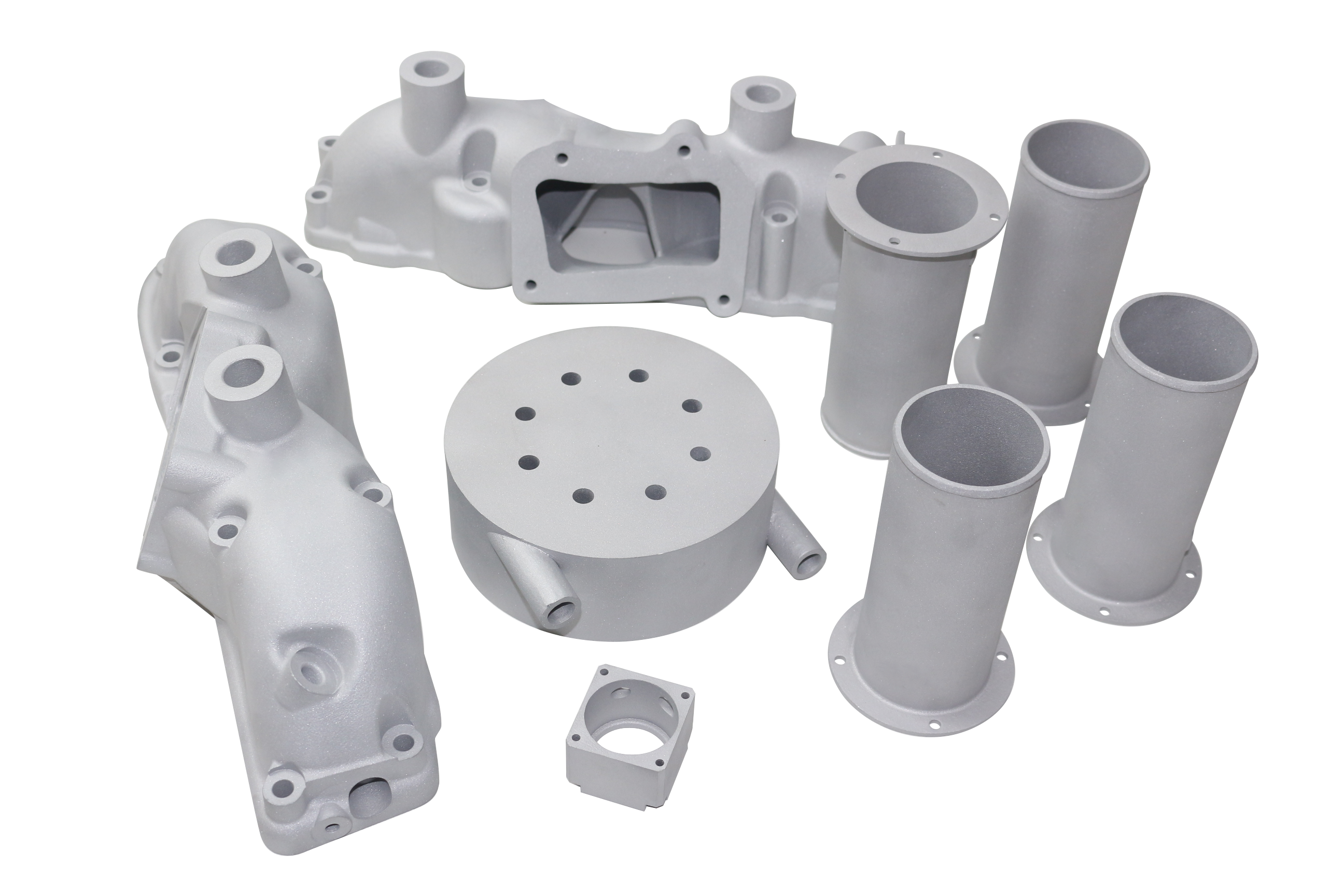
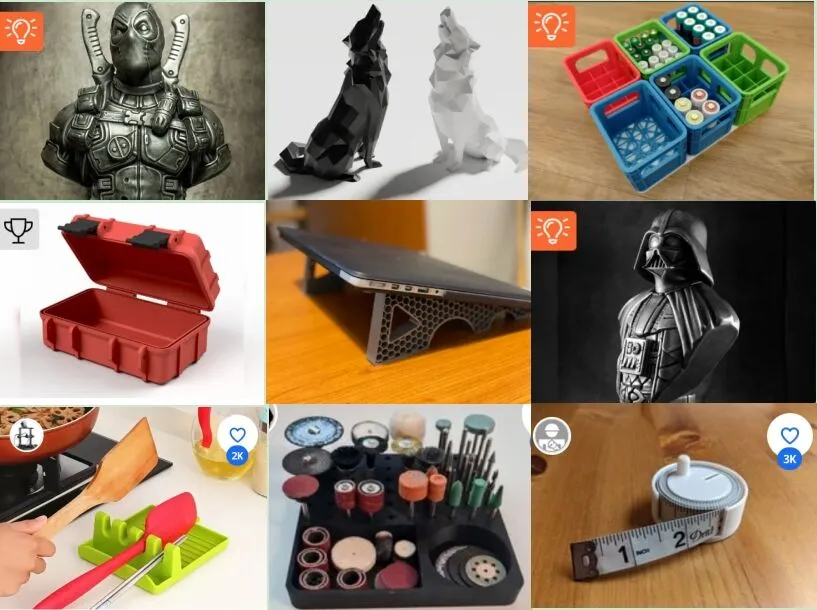
Gallery Of 3D Prints


How Does Sand 3D Printing Works?
Design CAD Model – Optimize geometry for sand printing.
Sand Printing – Binder jetting builds the mold layer by layer.
Curing – Harden the mold and remove loose sand.
Metal Pouring – Molten metal fills the mold cavities.
Cooling & Breakout – Mold is removed, revealing the cast part.
Post-Processing – Cleaning, machining, heat treatment, finishing.
Quality Check – Inspect dimensions, strength, and surface quality.

Download The 3D Printing Guide
Discover proven design rules that help engineers and creators improve performance, save costs, and ensure consistent success in 3D printing projects.
How to Work With

Simply upload your CAD files.

Get real-time pricing and DFM insights within seconds. Or ask for manual design help.

Once your order is placed, we’ll begin production right away, and you can track and manage it anytime from your dashboard.

Partnering with FedEx, DHL, and UPS, we deliver your parts fast and on time, worldwide.
Put your Parts into Production Now
Q & A
A: A: Max. 2000x2000x800mm
A: A: 1.2- 1.5 mm
A: A: Nope
A: A: Accuracy: ±0.5% (min ±0.5 mm), some special parts are lower
A: Yes, both tinted and fully transparent finishes are available, with painting or polishing if needed.
A: Polyurethane resins simulating ABS, PP, PC, PMMA, Rubber (shore A 30–95), and transparent materials.
Get early access to our latest offerings, manufacturing updates, and industry news
© 2025 IN3DTEC, All Rights Reserved. Privacy Policy | Terms of Use | Legal


